IMG_2373.jpg

Southern California Pests in January

Winter days in the Temecula Valley stay mild, but nights can drop to around 40 degrees. That's when pests that spent the summer outside start looking for somewhere warm and dry. Your attic, garage and kitchen are usually the closest options.

What Moves Indoors When Temperatures Drop

Listed below are some of the most common winter pests that tend to move indoors in the Temecula area from December through February.

Winery and Vineyard Pest Control in Temecula

Winter Pest Control in Southern California

Explore why these pests come indoors. Learn the early warning signs to watch for. Find where they usually hide. Take the most effective steps right away. Stop a small issue before it becomes a bigger, more expensive problem. You can also click the button below to claim your free inspection!

Schedule an Appointment Call Us: 951-694-8100

Attic Decontamination & Rodent Exclusion Temecula

Roof Rats and Mice

Rats and mice don't hibernate. They need a warm place to sleep and nest through winter, and a house is an easy one to find.

Roof rats climb. They use trees, palms, fences and utility lines to reach the roof, then look for a gap into the attic. Mice usually come in lower, through garages, under doors and around pipes. A mouse can fit through a hole the size of a dime. A rat needs one about the size of a quarter.

Signs to watch for: scratching in the attic or walls at night, droppings along walls or in cabinets, and chewed boxes, insulation or wiring.

We walk through exactly where roof rats get in, and how we seal those gaps, in Roof Rats Moving In for Winter: Where They Get In and How to Seal It.

If you're already hearing them, see our rodent control service.

Watch: How Roof Rats Get Into Temecula Homes

In this short video, one of our technicians shows the gaps roof rats use to get into homes and sheds: an open shed vent, the edge of the roof, fireplace corners, and the spot where a roof meets a bathroom build-out.

He also shows the two ways we seal them. On larger openings along the roofline, we fit and install mesh screening. On smaller, irregular gaps, we pack steel wool and hold it in place with expanding foam so rats can't chew through or pull it out.

For the full walkthrough, read Roof Rats Moving In for Winter.

Ant Control Services

Ants After Winter Rain

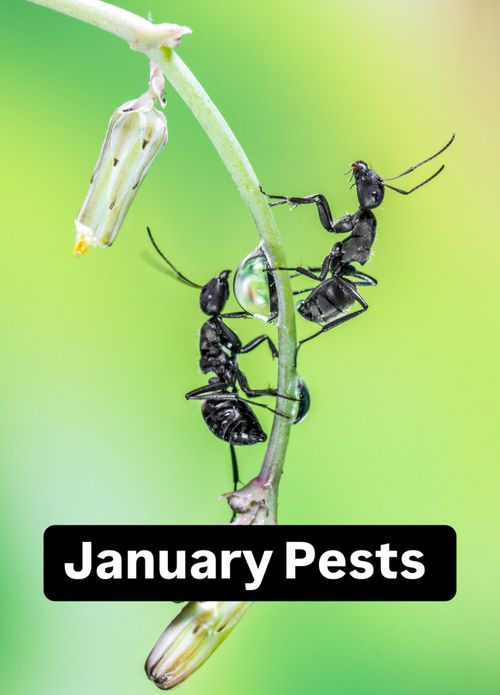
Winter rain floods ant colonies, and they move toward dry ground. That often means a trail across the kitchen counter or into a bathroom the day after a storm.

Wipe the trail with soapy water to remove the scent they follow. Over-the-counter sprays can scatter a colony into new spots in the house, which makes it harder to treat. If the trails keep coming back, our ant control service targets the colony, not just the ants you can see.

Professional Spider Control - Black Knight Termite & Pest Control

Spiders in Garages and Storage

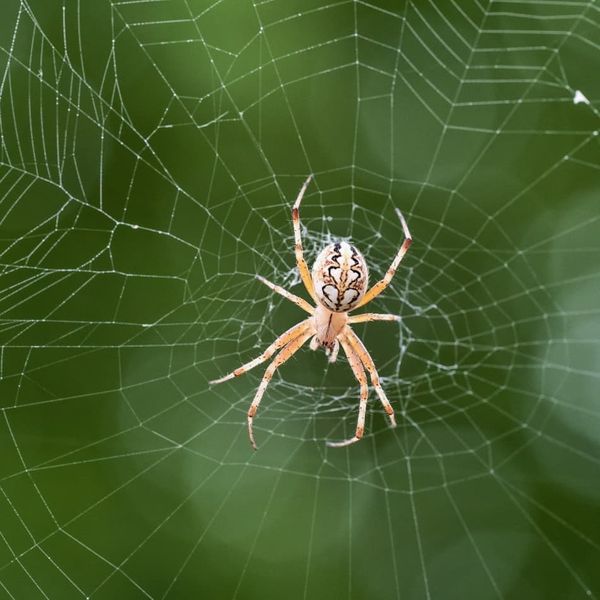
Spiders, including black widows, settle into dark, undisturbed places in winter. The enter homes, garages, storage boxes, woodpiles and patio furniture put away for the season are common spots.

Wear gloves when you move boxes or bring in firewood, and shake out shoes and gloves left in the garage. For help telling harmless spiders from dangerous ones, see Spiders in Southern California: Identification and Safety.

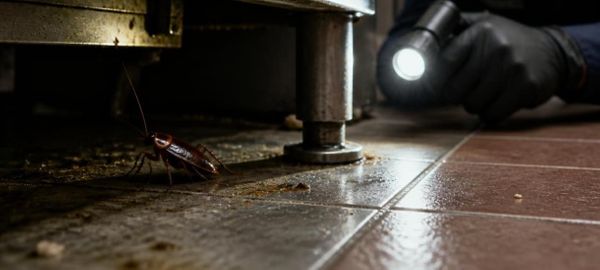
Cockroach under commercial kitchen equipment highlighted by flashlight beam.

Cockroaches Near Warmth

These types of pests seek warmth and moisture. In winter, check around water heaters, under sinks, behind the refrigerator and near the dishwasher.

Fixing small leaks and drips takes away the water they need. Seeing one roach in daylight often means more are hiding, and that's a good time to call.

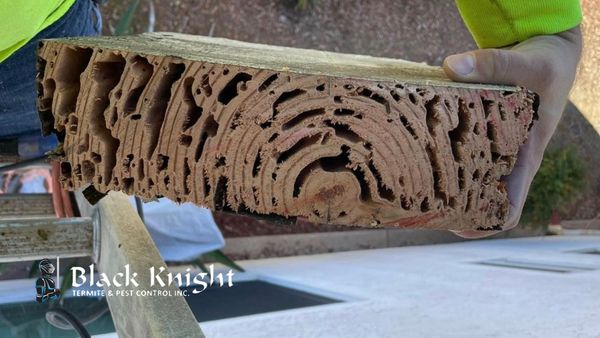
termite-control-service-drywood-termite-wood-damage-temecula.jpg

Termites: Winter Is Inspection Season

Termites don't take winter off. Drywood termites stay active inside wood all year. Subterranean termites often swarm after rain, from late winter into spring.

Learn the difference between the two types in Termite Differences: Subterranean and Drywood, or see our termite control services.

Winter Pest Control Tips

  1. Trim tree branches and palm fronds back from the roof.
  2. Check vent screens, fireplace corners and roof edges for gaps.
  3. Add door sweeps to garage and exterior doors.
  4. Stack firewood away from the house and off the ground.
  5. Store pantry food and pet food in sealed containers.
  6. Fix leaky pipes and drips under sinks.

Don't Wait Until It's Too Late!

Black Knight has served the Temecula Valley for more than two decades from our office on Colleen Way.

Our technicians know the common pests that show up in which season, and they work in your neighborhood every week, from Redhawk and Wolf Creek to Wine Country.

Year-Round Help from Black Knight Termite and Pest Control

Pests don't stop when the weather changes, and neither does our service.

Read more about why year-round pest control matters in Temecula, or call (951) 694-8100 to schedule an inspection.

Winter Pest FAQs

Do pests really come inside more in the winter months?
Yes. Winter days are mild, but Temecula Valley nights can drop to around 40 degrees. Rodents, spiders and cockroaches look for warm, sheltered spots, and rain pushes ants indoors.
How do I know if I have rats in my attic?
The most common signs are scratching or running sounds at night, droppings in the attic or along walls, and chewed insulation, boxes or wiring. Roof rats often get in from trees or palms that touch the roof.
Why do ants show up in my kitchen after it rains?
Rain floods ant colonies, so they move toward dry ground, which is often your kitchen or bathroom. Wipe trails with soapy water, and call us if they keep coming back.
Is winter a good time for a termite inspection?
Yes. Drywood termites stay active all year, and subterranean termites often swarm after rain from late winter into spring. An inspection in winter can catch activity before swarm season.
Do I still need pest control service in winter?
Pests in Southern California don't go dormant the way they do in colder climates. They change where they live, often moving from the yard into the house. Year-round service keeps that shift from turning into an infestation.