
Roof Rats Moving In for Winter
Black Knight Termite and Pest Control
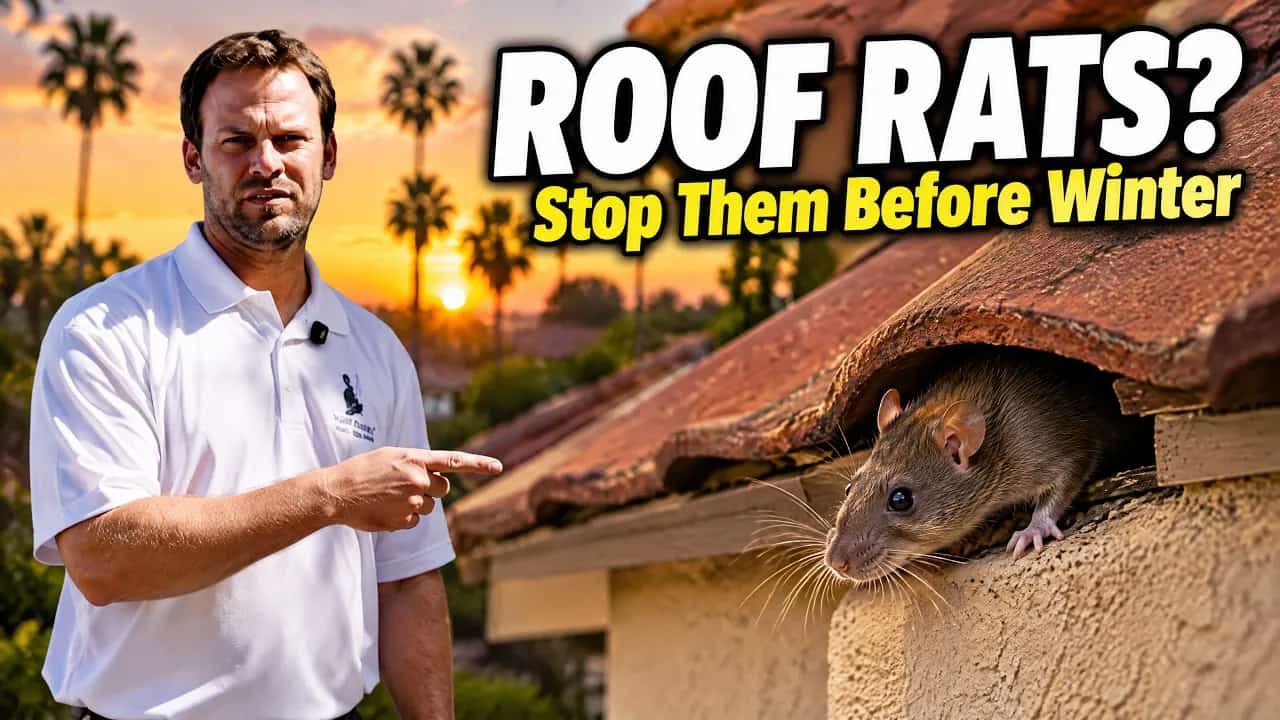
Where They Get In and How to Seal It
Colder weather changes rodent behavior across Southern California. When temperatures drop in the evening, roof rats look for shelter where they can hide, rest, and raise their young. Your attic offers everything they need: dry insulation, warmth, and dark corners sheltered from outside predators. Understanding how to keep rats away starts with knowing why they target your roofline and how they navigate into your living spaces.
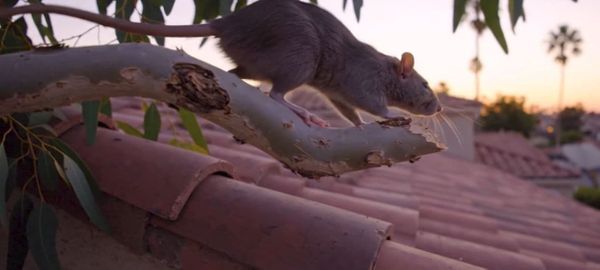
Roof rats are excellent climbers. Unlike Norway rats, which typically nest in burrows near ground level, roof rats prefer elevated areas such as trees, rafters, and attics. In Temecula neighborhoods like Redhawk and Wolf Creek, mature landscaping often grows close enough to a house to give rodents a direct route to the roof.
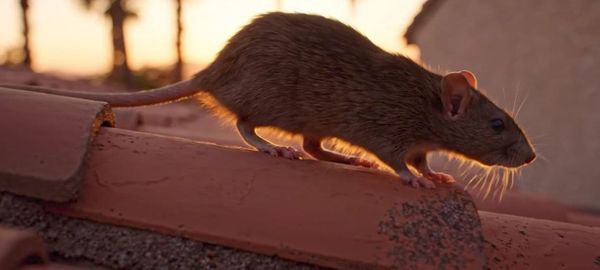
Palm trees are another common access point. Rats can travel along palm fronds, tree limbs, wooden fences, and overhead utility lines before making their way onto shingles or roof tiles.
Once on the roof, they look for openings around vents, eaves, fascia boards, and roofline joints. An attic provides a sheltered place to nest, but roof rats still leave the structure to forage for food and water. If they find a reliable entry point, they can continue returning to the same space and establish a nesting area.
A single opening can be enough to create an ongoing problem. Without sealing the access point, removing the rats already inside may not prevent others from getting in
How Rats Get Into Homes, Garages, and Sheds
Rodents do not need a large hole or obvious damage to enter a building. A rat can squeeze through an opening about the size of a quarter, while a mouse can fit through a gap roughly the size of a dime.
Many entry points are easy to overlook. Residential roofs have vents and gaps designed to allow airflow, and the screening installed to keep pests out can deteriorate, loosen, or become damaged over time. Small spaces around exterior trim and roof joints can also provide access.
Detached structures deserve attention, too. Garden sheds, pool houses, and storage buildings may have open vents or gaps beneath the eaves. A rat can climb the outside wall and enter through an unprotected opening without much difficulty.
Even a well-maintained home can have vulnerable spots. Roof rats may travel around the perimeter until they find a damaged screen, a gap between roof tiles, or an opening where two sections of the structure meet.
Common Roof Rat Entry Points: On stucco and wood-framed homes, pay close attention to these areas:
Chimneys and fireplace corners
Gaps can form where exterior stucco, trim, flashing, and chimney framing meet.
Roof edges and fascia boards
Openings may develop where the roof meets the fascia or where roof tiles leave exposed gaps.
Room additions and bump-outs
Extended bathrooms, bay windows, closets, and other architectural features can create vulnerable joints where rooflines connect.
Attic vents and dormers
Missing screens, damaged vent covers, and loose vent blocks can leave a clear path into the attic.
Sheds and detached garages
Unscreened louvers and open spaces beneath the eaves can allow rodents to enter and nest.
Watch: Black Knight Technician Shows Where Roof Rats Get In
In this video, Black Knight Termite & Pest Control technician Mark Lorack examines common places where rodents enter homes and outbuildings. He demonstrates how an open shed vent provides access and points out gaps around the roofline, exterior corners, and architectural extensions of a stucco home.
These are the kinds of openings homeowners may not notice from the ground. Finding them takes a close inspection of the structure, including areas where different building materials and roof sections meet.
A lasting fix requires more than filling an obvious hole. The entry point needs to be sealed with materials suited to its location and construction.
Rodent Exclusion: Closing the Gaps Rats Use
Rodent exclusion involves identifying and sealing the openings rodents use to enter a building. Traps and other control methods can address rats already inside, but they do not prevent new rodents from entering through the same gaps.
At Black Knight Termite & Pest Control, our technicians inspect vulnerable areas around the roofline, eaves, vents, and other exterior openings to identify potential access points. We then use appropriate exclusion materials to help keep rodents out.
1. Heavy-Duty Mesh Screening
Some openings can be secured with custom-cut metal mesh. The screen is measured and fitted to cover vulnerable areas around vents, eaves, and roofline gaps.
When properly installed, metal screening creates a physical barrier that rodents cannot easily chew through while allowing necessary attic ventilation. It can also help keep other unwanted pests from entering through the same openings.
2. Steel Wool and Expanding Foam
Not every gap has a flat or even surface. Irregular openings around stonework, stucco, fireplace framing, and exterior flashing can be difficult to cover with screening alone.
For suitable gaps, technicians may use steel wool combined with expanding foam. The foam fills the irregular space, while the steel wool provides a tougher barrier against gnawing.
Standard expanding foam by itself is not rodent-proof. Rats can chew through it, so the materials and installation method matter. The repair should also be appropriate for the location, especially around areas that require ventilation or have specific fire-safety requirements.
How Homeowners Can Reduce the Risk of Roof Rats
You can make your property less accessible to roof rats with regular outdoor maintenance. These steps will not replace a professional inspection when rodents are already getting inside, but they can help reduce common access routes and attractants.
Trim trees and palms
Cut back branches and fronds that touch or hang close to the roof. Where practical, maintain a gap of about six feet between vegetation and the roofline.
Cut back climbing plants
Ivy, bougainvillea, and dense vines can give rodents a way to climb exterior walls. Keep them away from the house.
Check foundation vents
Inspect crawl space covers and foundation screens for damage, loose fittings, or missing sections.
Look over the chimney area
From the ground, use binoculars to check for visible gaps around the chimney, roof edges, and exterior framing. Leave roof access and repairs to a qualified professional.
Inspect sheds and detached buildings
Check eaves, vents, garage corners, and other openings where rodents could enter.
Store food securely
Keep pet food in sealed containers, avoid leaving food outdoors overnight, and pick up fallen citrus, avocados, and other fruit.
Watch for signs of activity
Scratching sounds, droppings, gnaw marks, and disturbed insulation can indicate rodent activity. Have suspicious areas inspected rather than reaching into concealed spaces.
Frequently Asked Questions About Roof Rats
How do roof rats get into an attic?
Roof rats climb trees, palms, fences, and utility lines to reach the roof. They then look for openings around fascia boards, attic vents, roof tiles, chimneys, and joints where roof sections or exterior additions meet.
How small of a gap can a roof rat fit through?
A roof rat can squeeze through an opening about the size of a quarter. Mice can enter through even smaller gaps, roughly the size of a dime. Small openings around vents, roof edges, and exterior trim should not be overlooked.
What is rodent exclusion?
Rodent exclusion is the process of sealing openings that allow rats and mice to enter a structure. Depending on the location, technicians may use metal mesh, steel wool, or other suitable materials to close access points and reduce the risk of future infestations.
Why do roof rats enter homes during winter?
Cooler nighttime temperatures make sheltered nesting areas more appealing. Attics offer warmth, dry insulation, and protection from predators. Roof rats still travel outside to find food and water, but they may return to the same attic to rest and nest.
Can rats chew through expanding foam?
Yes. Standard expanding foam does not provide a reliable barrier against rodents on its own. For suitable openings, combining foam with steel wool or using a more durable exclusion material can help prevent rats from chewing through the repair. The right method depends on the size and location of the gap.
Should I remove roof rats before sealing the entry points?
Yes. If rodents are already inside, the existing activity should be addressed as part of the control plan. Sealing entry points without considering animals that may be trapped inside can create additional problems. A pest control professional can assess the activity, recommend appropriate control measures, and identify where exclusion is needed.

Keep Roof Rats Out With Black Knight Termite & Pest Control
Trimming branches and securing outdoor food can help make your property less inviting to rodents, but these steps will not close gaps in your roofline or attic. If you suspect roof rats have entered your home, a thorough inspection can help identify how they are getting in and what needs to be done.
Black Knight Termite & Pest Control helps homeowners throughout Temecula and surrounding Southern California communities address rodent activity and protect their properties with targeted pest control and exclusion services.
If you hear scratching in the attic, find droppings, or notice signs of gnawing around your home, contact Black Knight Termite & Pest Control at 951-694-8100 to ask about a home inspection.
Learn more about our rodent control services and how we can help protect your home from unwanted pests.