
Localized orange oil treatment uses d-limonene, a natural extract from citrus rinds, to eliminate drywood termites on contact and through localized vapor action. The best part? Your family does not need to pack up and leave the house. While orange oil works exceptionally well for accessible problem spots like rafter tails, attic framing, and window sills, it is strictly a spot treatment. It cannot clear out hidden wall voids or subterranean termites that live underground in the soil.
Orange Oil Termite Treatment In Riverside County
Black Knight Termite and Pest Control
What Is Orange Oil Termite Treatment?
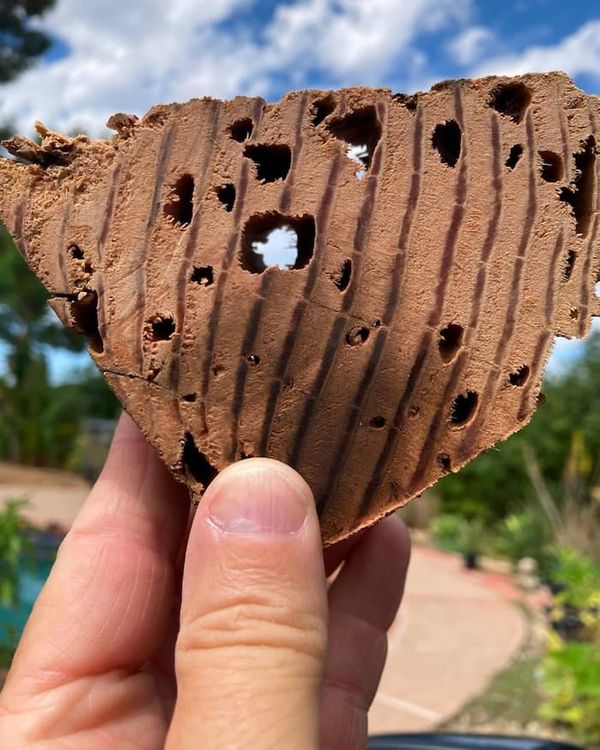
Discovering termite activity in your home can feel overwhelming, but fixing the issue does not always mean moving out for days. An orange oil termite treatment is a localized, eco-friendly option designed to eliminate wood-boring insects inside specific pieces of lumber. The main active ingredient is d-limonene, a natural compound extracted directly from cold-pressed orange peels.
How the Treatment Process Works
Unlike traditional structural tenting, which fills an entire house with chemical gas, orange oil is injected directly into active termite galleries within accessible wood.
Step 1. Locate the Nest
The technician identifies active termite galleries inside accessible timber.
Step 2. Drill Precision Access Points
Small, clean holes are drilled into the infested channels.
Step 3. Inject Citrus Solution
High-pressure equipment forces d-limonene into the wood.
Step 4. Saturate the Gallery
The solution spreads through porous wood fibers to kill hidden pests.
Key Benefits for Homeowners
Stay Comfortably at Home
You, your family, and your pets do not need to leave during or after the service.
Skip the Hassle
There is no need to double-bag groceries, board pets, or move medicine and cosmetics out of the house.
Lower Environmental Footprint
The treatment relies on a natural, renewable plant extract instead of synthetic greenhouse gases.
Protect Your Property Structure
You avoid the risk of cracked roof tiles, bent rain gutters, or broken light fixtures that can sometimes happen when heavy fumigation tarps cover a home.
How D-Limonene Destroys Termites: The Science
D-limonene acts as a natural solvent that targets the physical structure of wood-destroying insects in two distinct ways:
1. Direct Contact and Cell Collapse
Termites depend on a thin, waxy outer shell called a lipid layer to hold in moisture and survive. When d-limonene makes direct contact with a drywood termite or its eggs, it quickly dissolves this protective shell. Without it, the insect suffers instant dehydration and dies within minutes.
2. Vapor Action Through Wood Fibers
Citrus oils evaporate quickly, creating localized vapors as the liquid saturates the wood. These vapors move along active feeding channels, reaching worker termites deeper inside the timber that were not hit directly by the initial liquid application.
Orange Oil vs. Whole-Home Tenting: Detailed Comparison
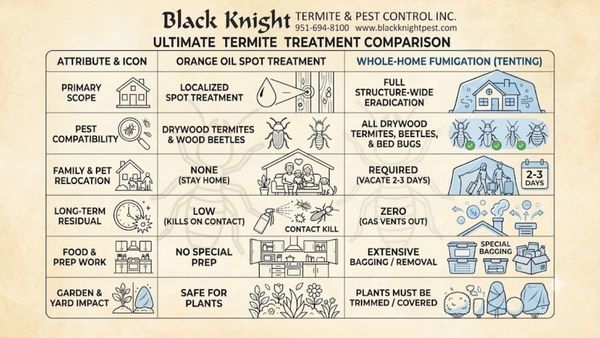
Choosing between a localized citrus injection and full-structure tenting depends on how severe, deep, and accessible your termite problem is.
Important Real-World Limitation: Orange oil does not create a long-term chemical barrier against future pests. It kills the active colony inside the treated piece of wood, but it will not stop new flying termites from landing on an untreated side of your roof next season.
Drywood vs. Subterranean Termites in Riverside County
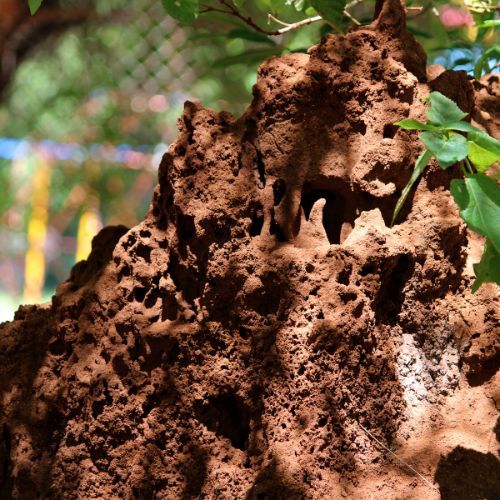
A common oversight among homeowners is trying to treat every type of termite with orange oil. Riverside County is home to two primary types of termites, and each requires a very different approach.
1. Drywood Termites (Incisitermes minor)
Where They Live
They set up colonies entirely inside dry wood, such as attic beams, window frames, fascia boards, and patio covers.
Warning Signs
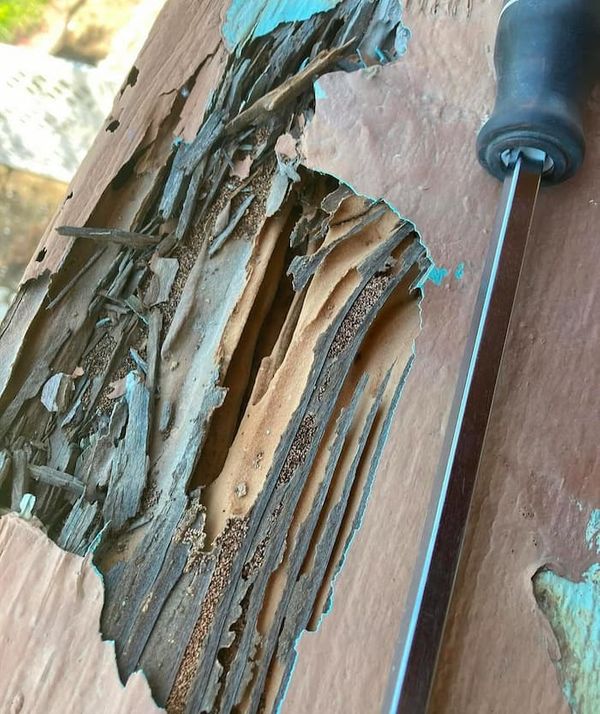
Distinctive sand-like pellets (frass) pushed out from tiny kick-out holes, along with shed wings on windowsills.
Orange Oil Effectiveness
High, as long as the infested wood is accessible for drilling and injection.
2. Subterranean Termites (Reticulitermes hesperus)
Where They Live
They build underground colonies in damp soil and travel up into homes through concrete foundation cracks or mud tubes.
Warning Signs
Mud tubes running up exterior walls, hollowed-out wood near ground level, and moisture-damaged timber.
Orange Oil Effectiveness
Not Effective. Because subterranean queen termites and their core colonies stay deep underground, injecting citrus oil into an attic beam leaves the main colony alive and well. Subterranean species require specialized liquid soil barriers or subterranean baiting systems.
Step-by-Step: How a Professional Orange Oil Treatment Works
When applied by certified pest control specialists, an orange oil treatment follows a precise four-step process:
Acoustic and Thermal Inspection: Technicians use specialized moisture meters, thermal tools, and acoustic devices to pinpoint exact termite activity inside walls, eaves, or beams.
Precision Micro-Drilling: Tiny access holes (roughly 1/8 inch to 1/4 inch wide) are drilled into the active feeding chambers without affecting your home's structural strength.
Pressurized Citrus Injection: High-pressure injection tools deliver liquid d-limonene or expanding citrus foam directly into the channels, forcing it deep into the wood grain.
Sealing and Patching: Technicians fill the micro-holes with durable wood filler, sand them smooth, and match the surrounding finish so your woodwork looks great.
Safety, Environment, and Local Climate Realities
Is Orange Oil Safe for Families and Pets?
Yes. D-limonene is categorized as a low-toxicity compound made from natural fruit extracts. Once it absorbs into the wood, it poses no danger to humans or household pets. You will simply notice a clean citrus aroma in the treated area for a day or two after service.
Local Climate Realities in Southern California
Across communities like Temecula, Murrieta, Menifee, Corona, and the broader Riverside County area, drywood termites usually swarm during hot, dry periods in late summer and autumn. High heat dries out exterior wood, making roof eaves, rafter tails, and wooden patio covers prime targets for swarming pairs looking to start new colonies.
5 Practical Tips to Prevent Termite Damage
A smart defense strategy prevents wood-destroying insects from taking hold around your property:
Keep Distance at the Foundation: Maintain at least 6 inches of space between soil, mulch, or plants and your wood siding or stucco.
Fix Sprinkler Overlap: Adjust lawn sprinklers so water does not constantly spray against wooden fences, posts, or foundation walls.
Seal Exterior Gaps: Use quality exterior caulk to seal small gaps around eaves, roof rafter tails, plumbing pipes, and attic vents.
Store Firewood Wisely: Stack firewood off the ground and keep it at least 20 feet away from your home.
Book Annual Professional Inspections: Catching small colonies early means you can take advantage of quick, localized spot treatments before problems spread.
Frequently Asked Questions
- How much does orange oil termite treatment cost in Riverside County?
- Localized orange oil treatments generally range between $500 and $1,500, depending on the location, size, and accessibility of the infested area. This option is often much more budget-friendly than structural tenting, which can cost anywhere from $1,500 to $3,500 or more when factoring in hotel stays and food prep.
- How long does an orange oil treatment last?
- Orange oil kills active termites inside the treated wood immediately. However, because it evaporates naturally without leaving heavy synthetic residues, it does not prevent new termites from invading untreated areas later. Regular annual inspections help ensure ongoing protection.
- Can I buy DIY citrus oil and treat termites myself?
- Store-bought essential oils do not have the high concentration or pressurized injection equipment required to push deep into dense timber. Without professional inspection tools, DIY attempts usually miss hidden galleries, allowing the colony to continue damaging your home.
- Will my home smell like oranges after treatment?
- Yes. The process leaves a pleasant, natural citrus scent around the treated area for 24 to 48 hours following application.
Protect Your Riverside County Home Today
If you suspect termite activity or have spotted discarded swarmer wings near your windows, taking action early is the best way to prevent expensive structural damage.
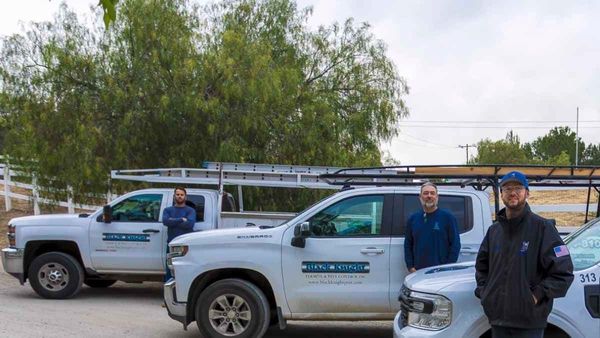
At Black Knight Termite & Pest Control, our state-licensed team brings decades of local experience across Southern California. We offer customized termite management, including eco-friendly citrus applications, chemical-free spot treatments, and comprehensive subterranean defense systems.
Book an Inspection: Reach out to our local team through the Black Knight Contact Page.
Talk with a Certified Expert: Call our local office directly at 951-694-8100.
Explore Defense Options: Check out our specialized Termite Control Services and Residential Pest Control Services.